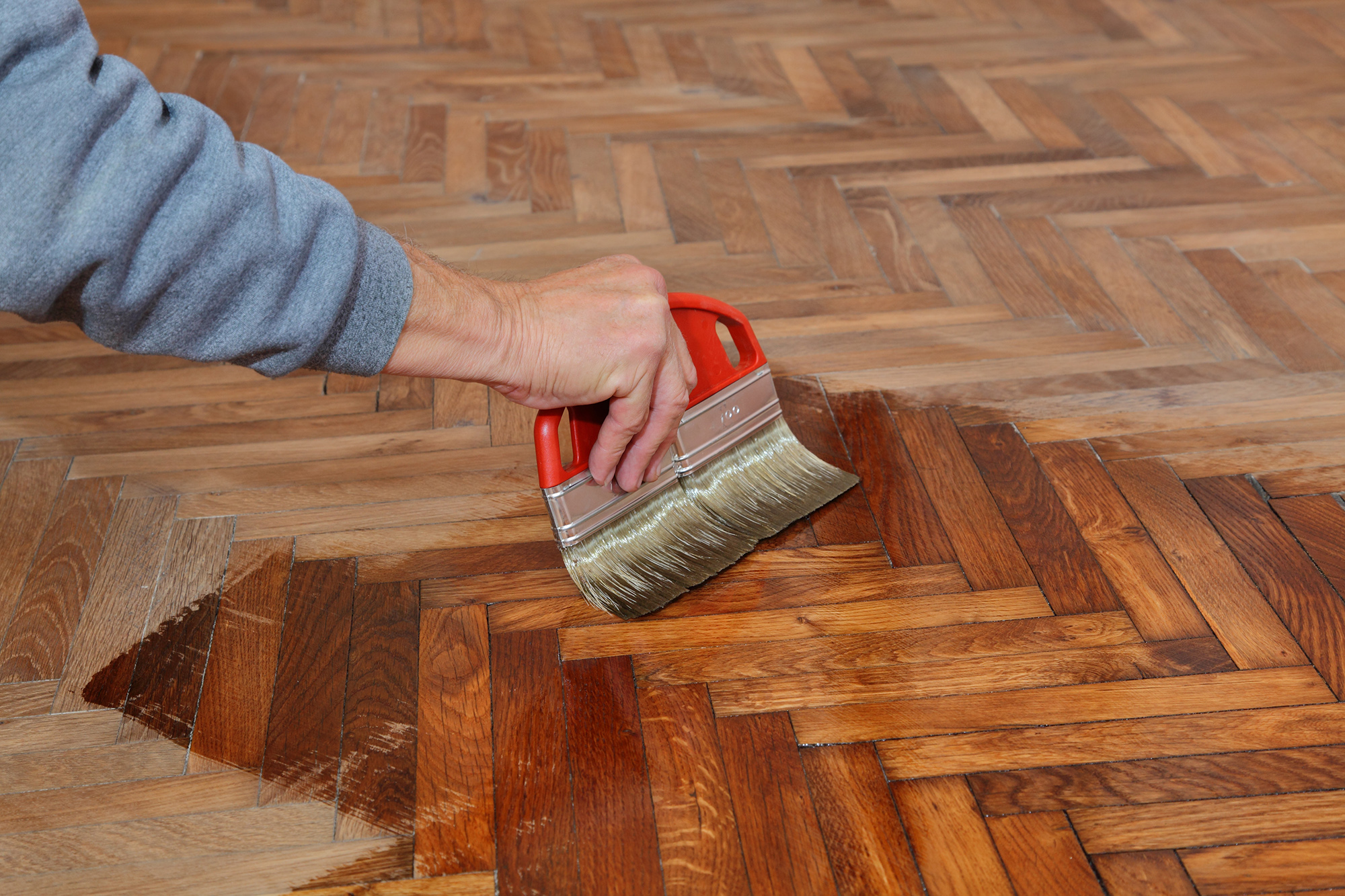
The Truth About Oil-Based vs. Water-Based Polyurethane Finishes for Residential Hardwood
Picking the right clear coat balances dry times, off-gassing smells, and long-term color clarity against Denver Metro's harsh UV light and winter boot grit.

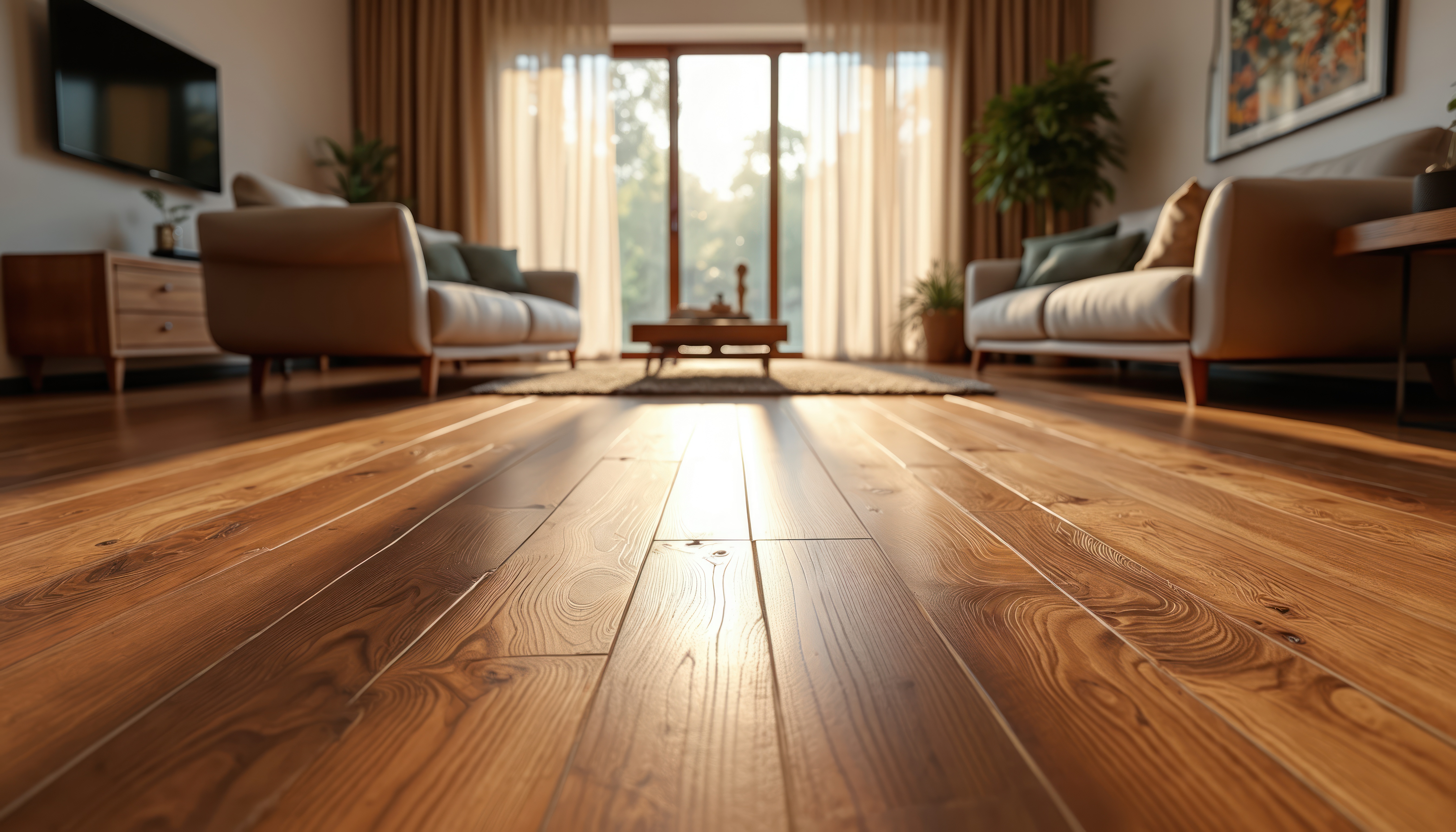
Picking the right clear coat balances dry times, off-gassing smells, and long-term color clarity against Denver Metro's harsh UV light and winter boot grit.
Annoying floor squeaks almost always point to loose subfloor foundation sheets rather than a defect in your surface hardwood.

Board separation across living room floors often reflects natural seasonal air conditioning shifts rather than an expensive structural failure.

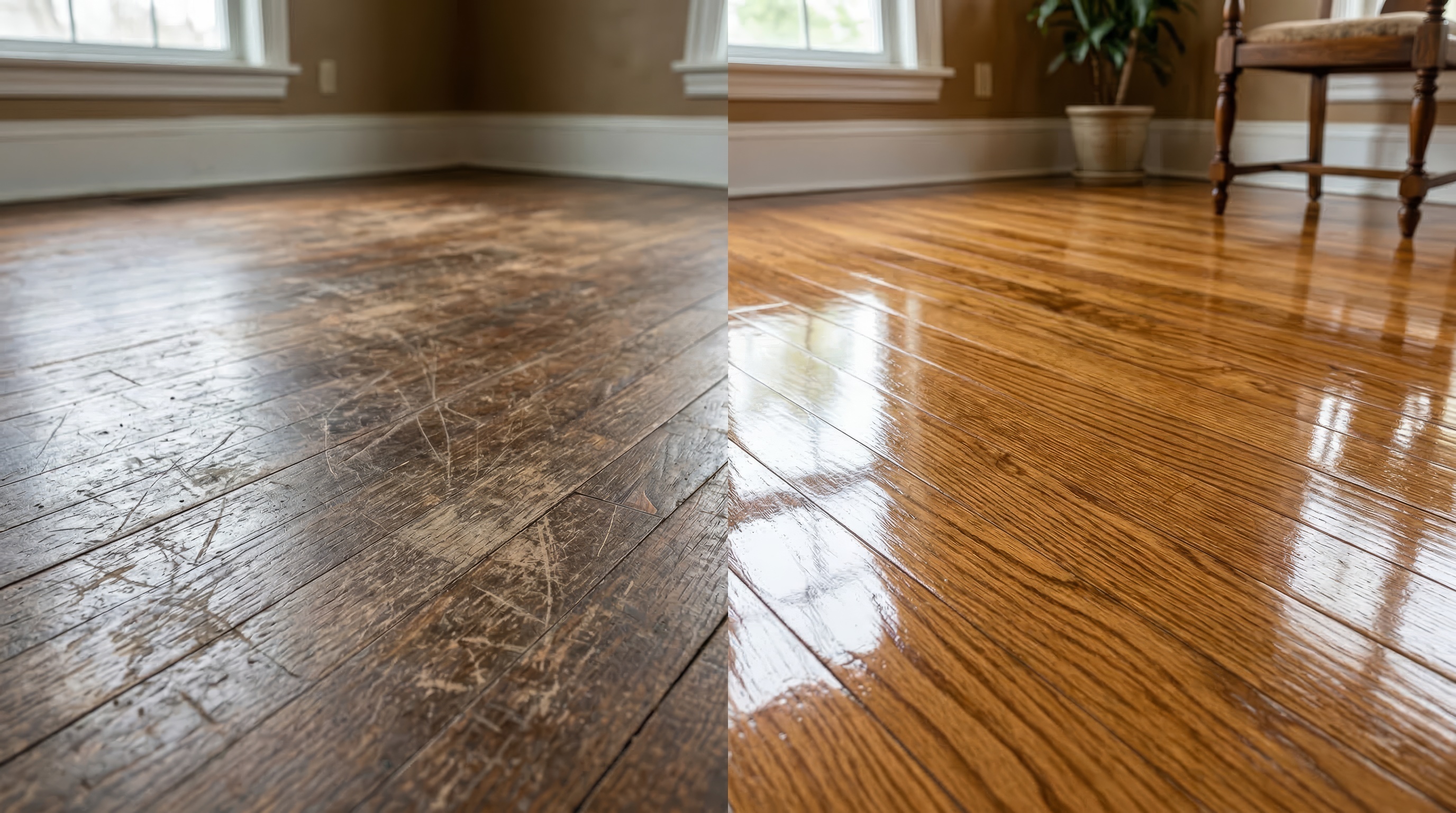
Catching floor wear early lets you restore dull, scuffed hardwood in a single day without the mess, noise, or expense of sanding down to bare timber.

Checking your floor’s wear layer takes only a few minutes, but it prevents costly permanent damage before you run heavy refinishing machinery over engineered wood.

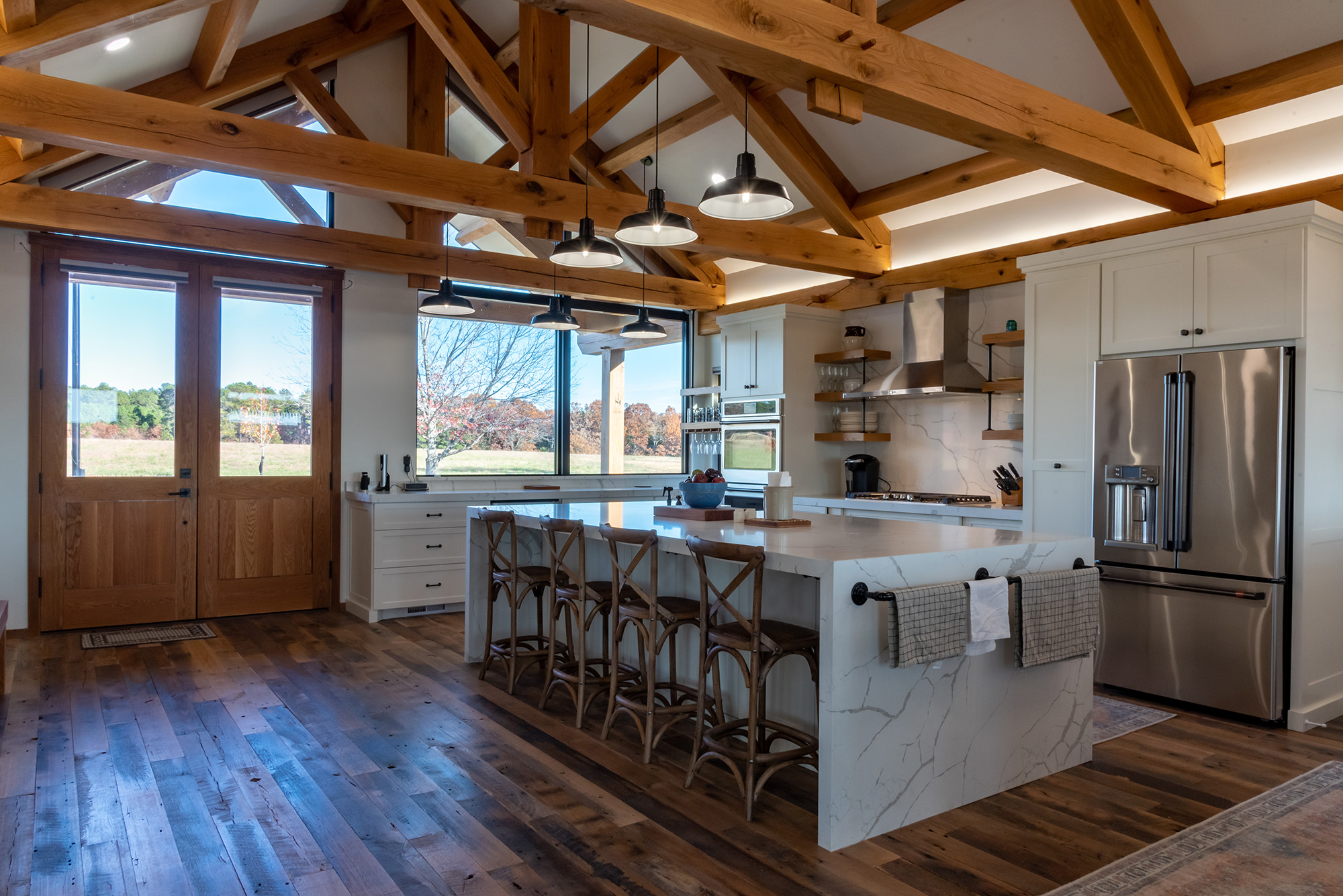
Advanced factory-applied topcoats and hydrophobic edge sealants allow you to bring the seamless look of real wood into your cooking zone while giving you a realistic window of time to wipe up everyday splashes.

Balancing continuous thermal warmth against easy-to-clean durability helps you select the ideal foundation for a busy living space built to handle active kids, pets, and Colorado winters.

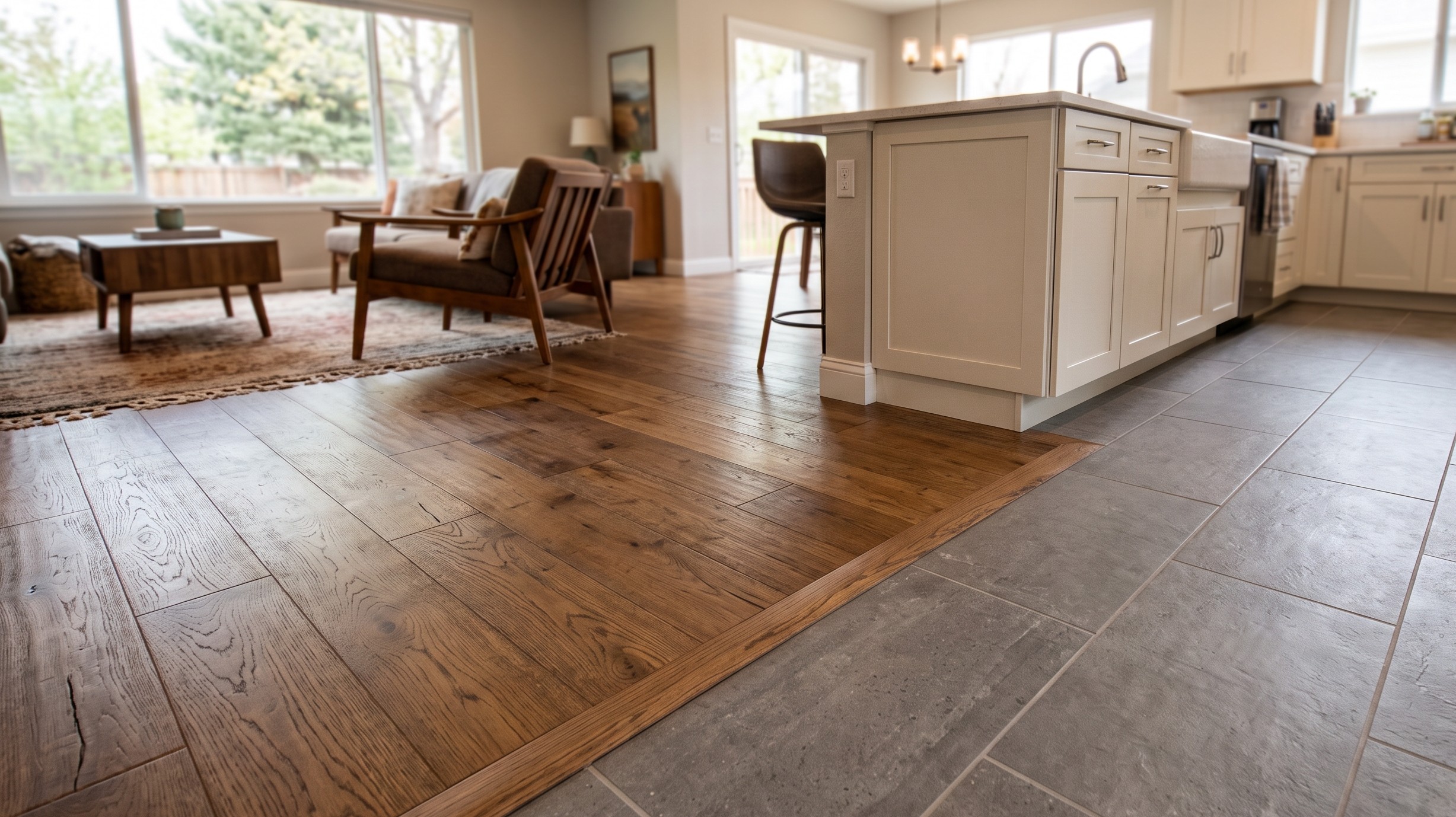
Using the right transition moldings and precise subfloor math keeps your main level safe from tripping hazards while allowing your hardwood to expand and contract during our drastic Front Range humidity swings.

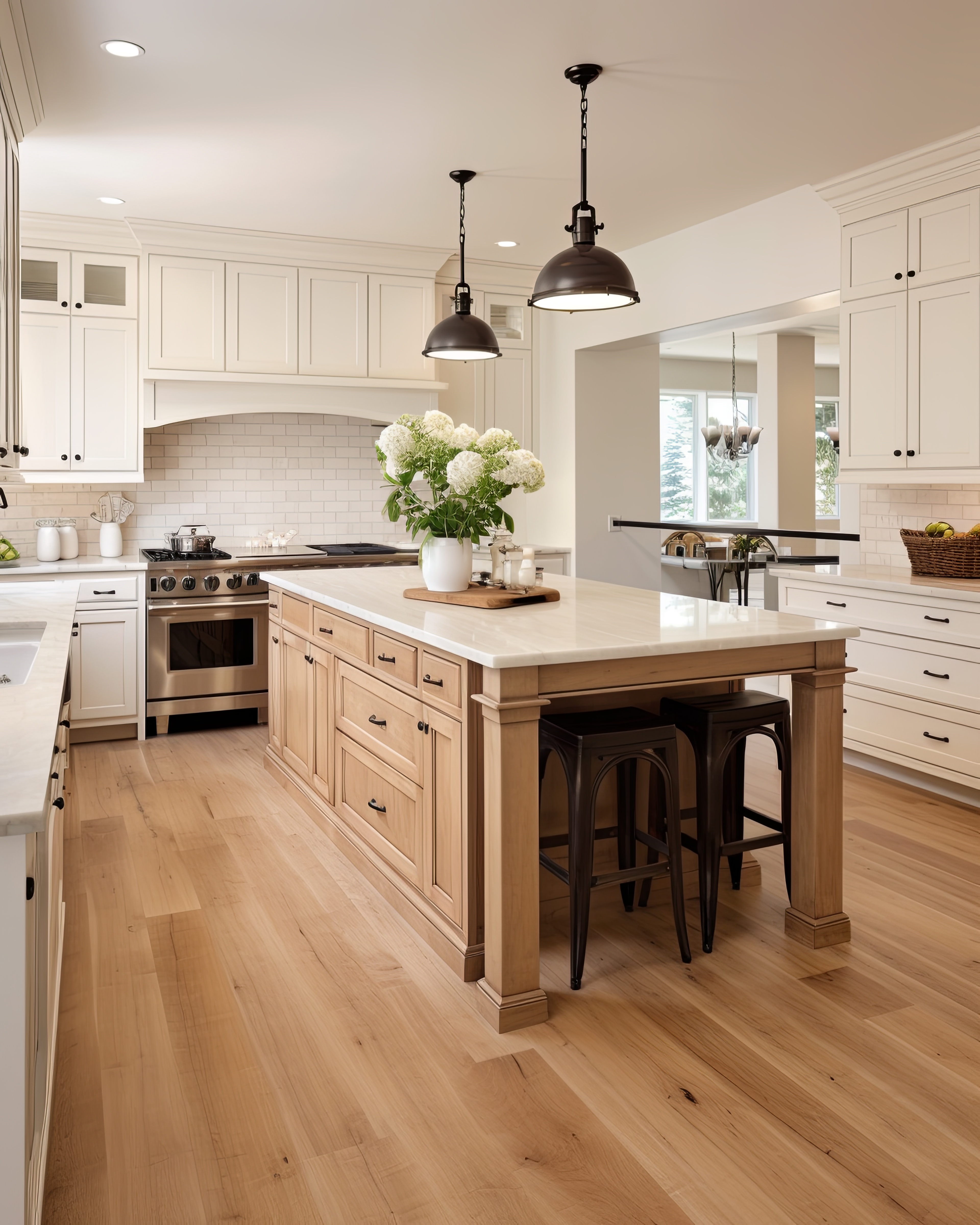
Matching your wood flooring color and physical grain texture to your pet’s shedding habits and your home's natural light cuts down your daily cleaning time significantly.

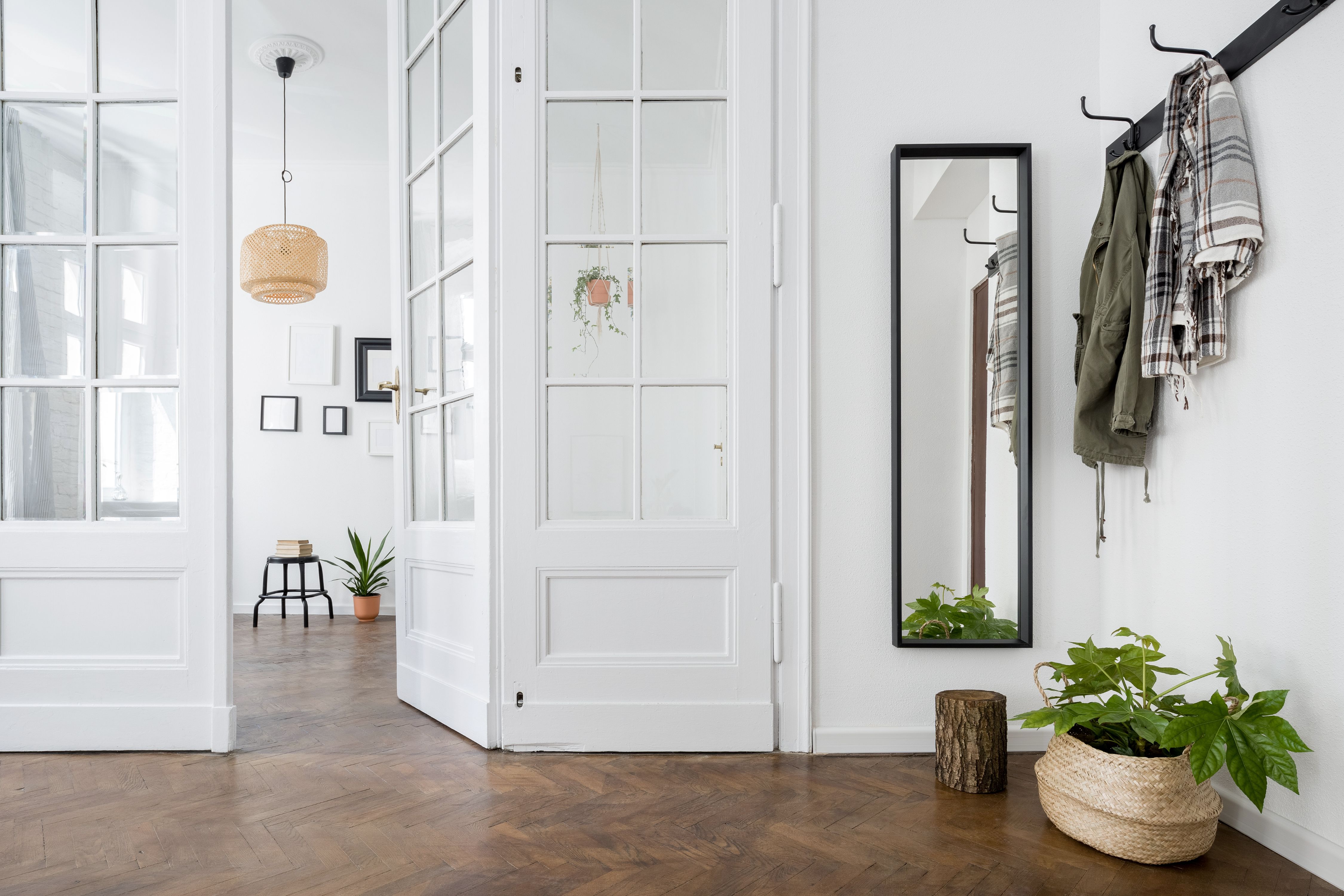
Tracking fine foothills dust and garden soil into your home creates a destructive grinding action between your floorboards that can permanently weaken your floor's physical connections over a single season.