

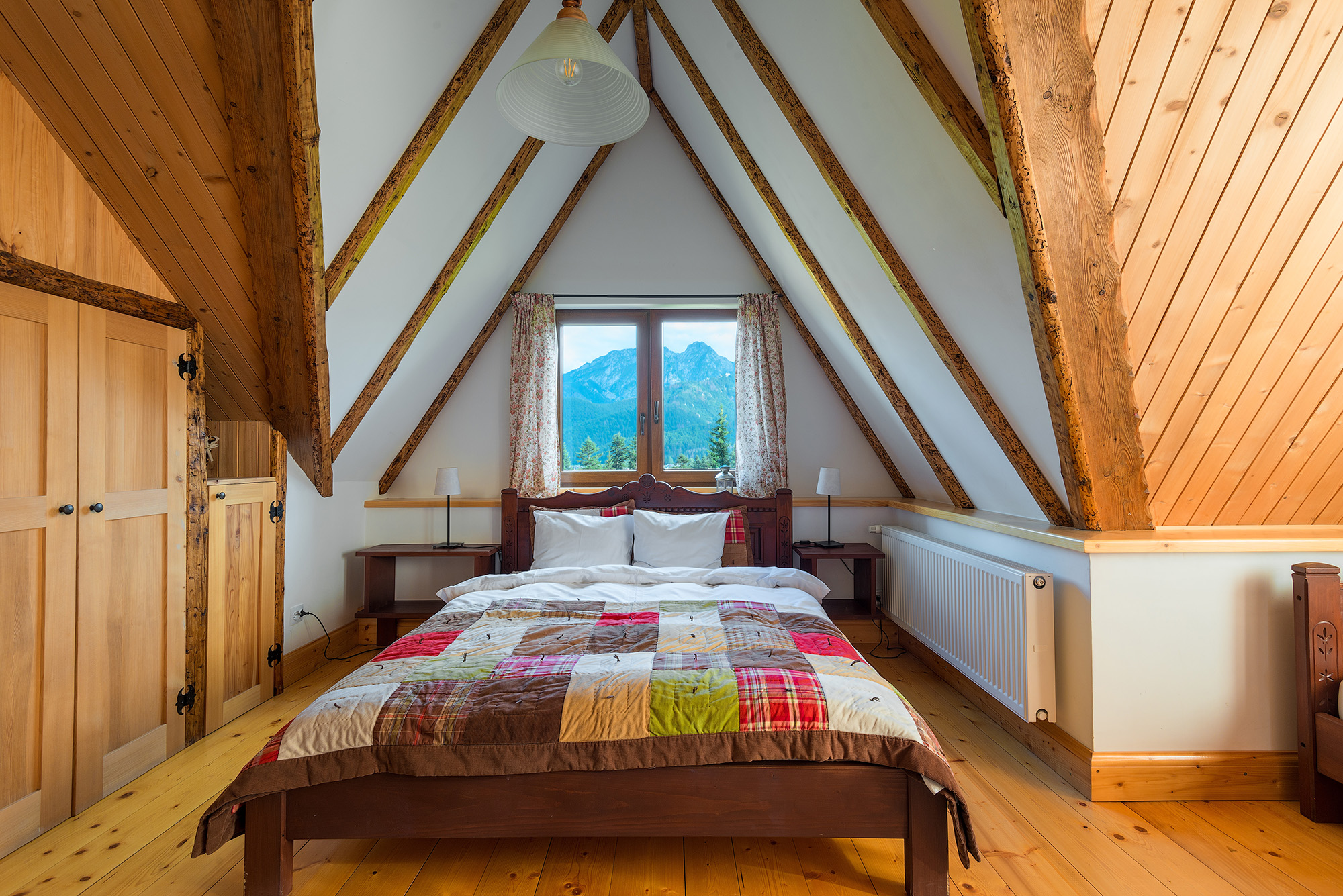
Radiant heat systems are increasingly popular in Colorado, but pairing them with hardwood flooring introduces technical risks many homeowners—and installers—don’t fully understand. At Wagner Floors, we frequently inspect hardwood failures caused not by poor materials, but by incompatible heat system design.
Before installing hardwood over radiant heat, contact us at Littleton, CO to evaluate species selection, moisture tolerances, and system output.
The Physics Behind the Conflict
Radiant heat warms flooring from below, creating vertical heat gradients. Hardwood naturally absorbs and releases moisture, expanding and contracting with temperature changes. In Colorado’s dry climate, radiant heat accelerates moisture loss, causing excessive shrinkage, gapping, and surface checking.
The risk increases when surface temperatures exceed 80–82°F, a common occurrence in improperly regulated hydronic systems.
Species and Construction Matter
Not all hardwood performs equally over radiant heat. Solid hardwood wider than 4 inches is especially vulnerable. Engineered hardwood with multi-ply cores offers better dimensional stability, but only when paired with controlled heat output.
High-risk species include maple, hickory, and beech due to their tight grain and moisture sensitivity. More stable options include white oak and rift-sawn constructions—but even these require strict environmental controls.
System Type Makes a Difference
Hydronic systems offer better control than electric radiant heat but still require zoning and temperature limits. Electric systems tend to create hot spots, increasing localized stress.
Colorado homes with slab-based radiant heat must also address residual moisture in concrete. Without proper moisture testing, hardwood absorbs vapor from below while drying from above—leading to cupping or delamination.
Humidity Control Is Non-Negotiable
Radiant heat reduces indoor relative humidity, often pushing levels below 30% during winter. Hardwood requires 35–55% RH for stability. Without whole-home humidification, even properly installed hardwood will fail over time.
This is especially common in Denver and Parker homes where radiant heat runs continuously during winter months.
Installation Techniques That Reduce Risk
Successful installations require:
Gradual system ramp-up (5°F per day)
Continuous RH monitoring
Floating or glue-assist methods
Acclimation periods exceeding manufacturer minimums
Skipping any of these steps significantly increases failure risk.
Final Thoughts
Radiant heat and hardwood can coexist—but only with technical precision. Species choice, system regulation, and humidity control determine success or failure.
Before committing to hardwood over radiant heat, schedule a shop-at-home consultation with Wagner Floors. We serve Denver, Littleton, Aurora, Parker, and Lakewood, CO with climate-specific flooring expertise. Call today to avoid costly mistakes.


