

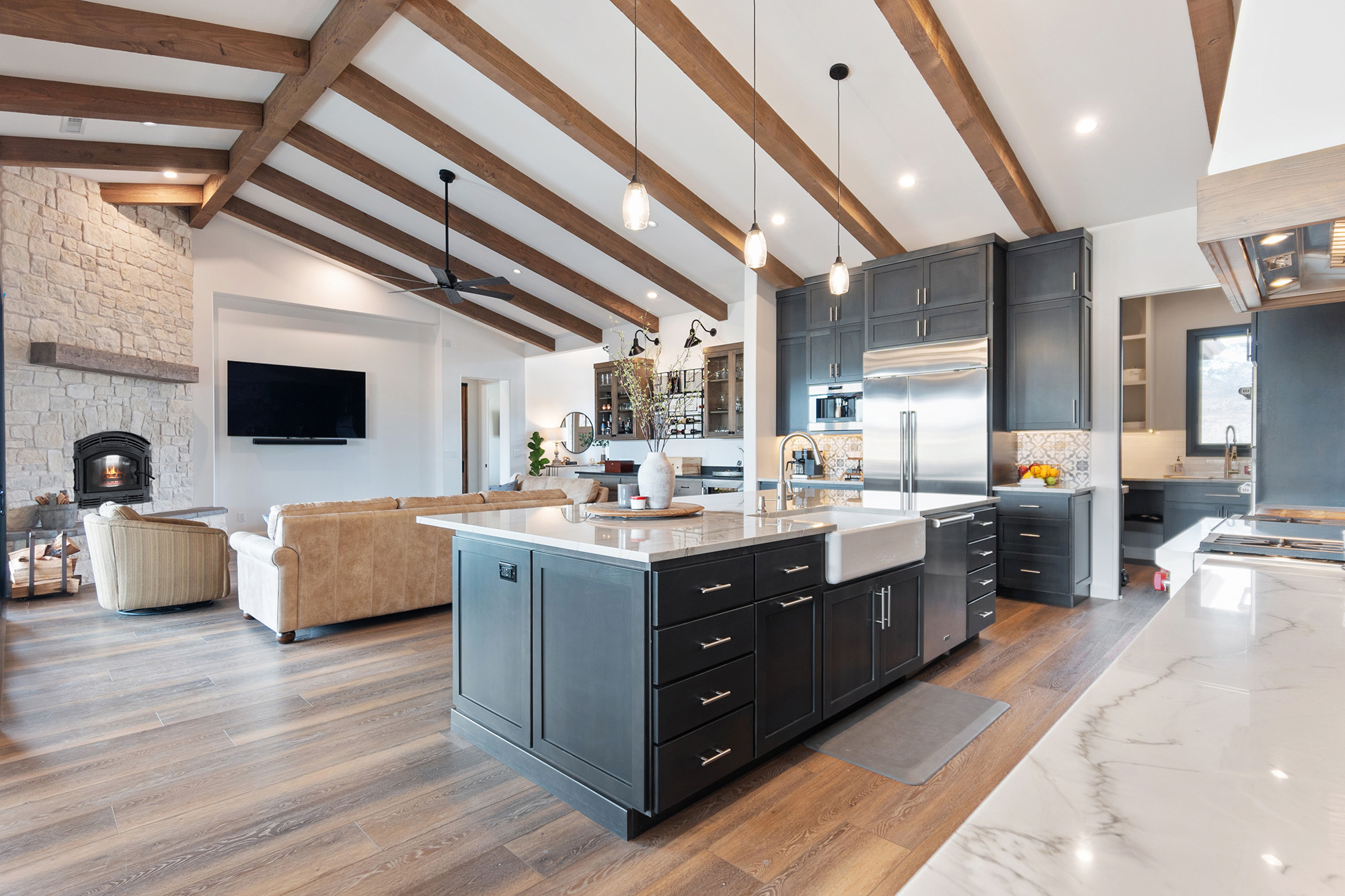
In most parts of the country, homeowners obsess over flooring brands, plank thickness, and finish layers. In Colorado, those details matter far less than one overlooked variable: installation timing. At Wagner Floors, we see premium hardwood, LVP, and carpet installations fail every year—not because of material defects, but because installation occurred under unstable environmental conditions.
Before choosing products or locking in install dates, homeowners are encouraged to contact us at Littleton, CO to evaluate seasonal risk factors, moisture conditions, and acclimation timelines specific to their home.
Colorado’s Climate Is Hostile to Flooring Materials
Colorado sits at high elevation with low ambient humidity, intense solar exposure, and extreme seasonal shifts. Indoor environments fluctuate more aggressively here than in coastal or Midwest regions.
Winter indoor RH routinely drops below 20–25%
Summer monsoons can spike RH by 20–30% in days
Temperature swings of 30–40°F within 24 hours are common
Flooring materials are hygroscopic. They absorb and release moisture until reaching equilibrium with their surroundings. Installing flooring while conditions are unstable traps material at the wrong moisture content—guaranteeing movement later.
Acclimation Is a Process, Not a Delivery Date
Manufacturer acclimation guidelines are minimums, not guarantees. In Denver, Parker, and Castle Rock, acclimation often requires 10–21 days, depending on season and HVAC operation.
Hardwood installed immediately after delivery during winter heating season will continue losing moisture after installation, causing:
Excessive gapping
End-joint separation
Nail or cleat stress
Surface checking
LVP acclimated during high summer humidity may appear stable initially, then contract aggressively in fall, leading to:
Locking system failure
Edge curl
Plank separation at transitions
No brand, regardless of price, is immune to physics.
Concrete Slabs Are the Silent Failure Point
Slab-on-grade construction dominates Front Range homes. Concrete retains moisture long after curing, and moisture emission rates change seasonally.
Critical mistakes include:
Relying on old moisture test results
Ignoring slab temperature
Skipping in-situ RH testing
Flooring installed before concrete reaches equilibrium moisture content absorbs vapor from below while drying from above—causing cupping, adhesive failure, or delamination. Moisture testing must be performed within 72 hours of installation, not weeks earlier.
Seasonal Installation Risks by Flooring Type
Hardwood
Winter installs risk shrinkage and gapping
Summer installs risk cupping during monsoon season
Spring/fall offer the narrowest safe windows
LVP
Heat expands planks beyond locking tolerance
Cold installs prevent proper locking engagement
Temperature gradients create long-term stress
Carpet
Cold subfloors prevent adhesive curing
Dry air contracts backing
Poor timing causes rippling and seam peaking
HVAC Operation Is Non-Negotiable
HVAC must be fully operational for 7–10 days prior to installation and maintained afterward. Temporary heaters dry air unevenly, distort moisture readings, and create false stability.
This is a frequent issue in Aurora and Lakewood remodels where flooring is installed before systems are balanced.
Why Timing Overrides Brand Every Time
A mid-grade floor installed under stable conditions will outperform a premium product installed during environmental extremes. Proper timing:
Stabilizes material moisture content
Protects adhesives and locking systems
Preserves manufacturer warranties
Extends floor lifespan by years
Final Thoughts
In Colorado, flooring success is engineered through timing—not branding.
Schedule a shop-at-home consultation with Wagner Floors to plan your installation around real environmental data, not guesswork. We proudly serve homeowners throughout Denver, Littleton, Aurora, Parker, and Lakewood, CO. Call today to protect your investment from preventable failure.


