
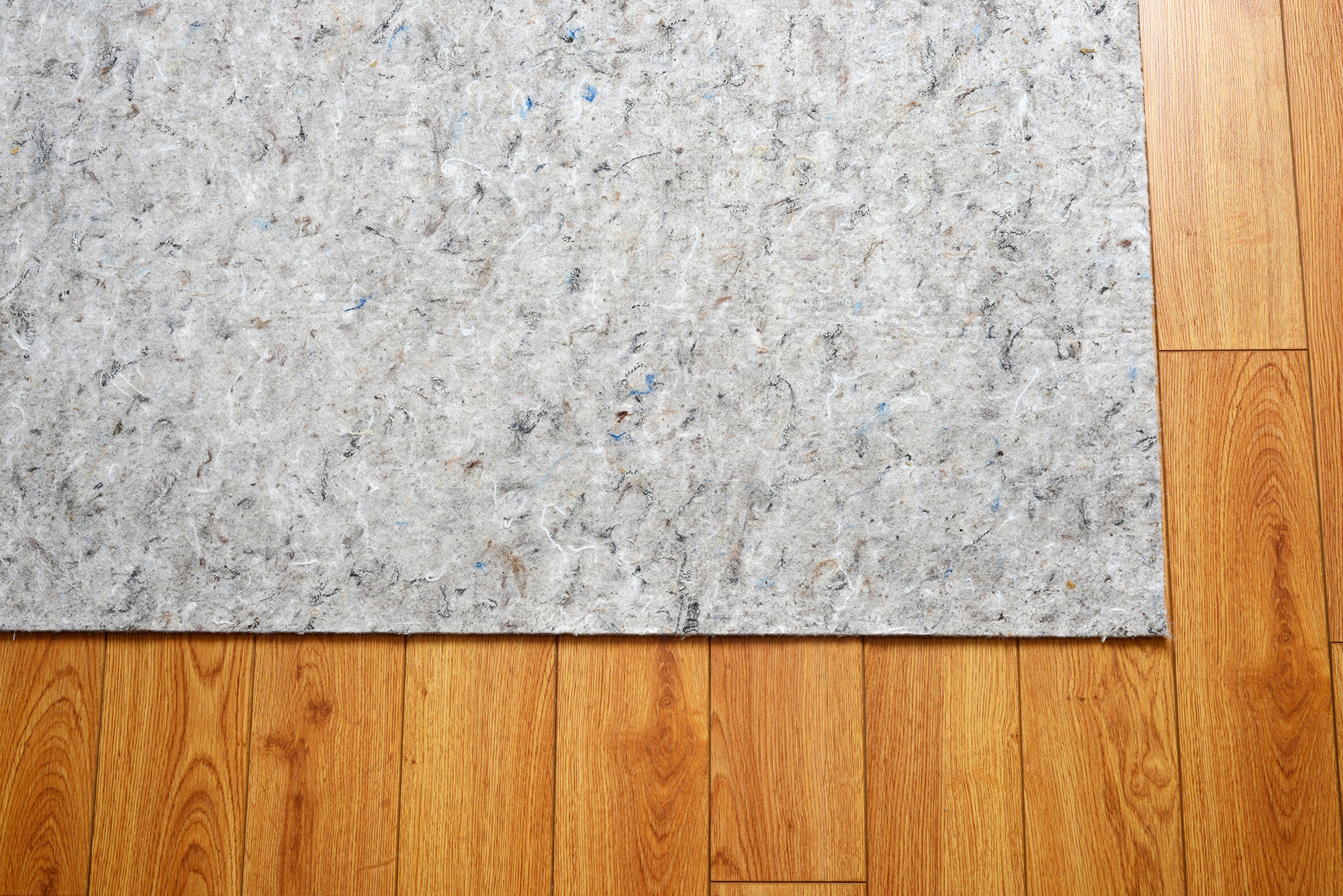
Area rugs provide warmth and comfort underfoot. But without a rug pad, a rug lacks the cushioned support that softens the impact of every step and keeps the backing from grinding into the planks. A quality layer underneath an area rug increases the lifespan of both the flooring and the fabric by reducing movement and providing extra support. Adding a pad ensures the floor stays a functional and soft part of a home for years.
Rug Pad Materials and Floor Compatibility
Construction materials differ based on the floor type and the desired feel of a room.
Felt pads: Compressed fibers provide the most cushion and sound absorption for living rooms and bedrooms.
Natural rubber: Durable material provides a strong, non-slip grip without the risk of sticking to the floor surface.
Synthetic PVC pads: Lower-cost options often contain oils or chemicals that can damage floor finishes.
Dual-surface pads: Combinations of felt and rubber offer both grip and comfort for larger area rugs.
Preventing Scratches and Mechanical Wear
Rug pads prevent scratches by trapping abrasive grit within the material and keeping the rug stationary. Rough rug backings act like sandpaper against the topcoat of a floor. Tiny particles of dust and dirt often get caught between a rug and the planks. Particles act as an abrasive under the weight of foot traffic. A pad keeps the rug from shifting, which stops the constant movement that dulls a finish. Grit settles into the pad instead of being ground into the wood or laminate.
Chemical Reactions and Finish Preservation
Rug pads preserve a finish by allowing air to circulate and preventing harmful chemical reactions. Incompatible materials can cause a floor finish to turn yellow or peel. Natural rubber is a breathable material that lets air flow to the planks. Airflow is needed for the health of natural hardwood. Breathable pads also stop moisture from getting trapped against the surface. Plastic-based pads often contain chemicals called plasticizers. Chemicals can bond to hardwood finishes and leave permanent marks.
Safety and Impact Resistance
Rug pads improve safety by providing grip and absorbing the pressure of heavy furniture. Stabilizing a rug reduces tripping hazards by keeping edges from sliding in busy hallways. Padded layers also soak up the weight from heavy chair legs and couches. Extra padding helps prevent indentations in the wood or laminate. Proper support keeps rug fibers from crushing against the hard floor, which helps a rug stay in good condition for a longer period.
Maintaining Your Floor at Wagner Floors
Every flooring project needs a specific maintenance plan to keep a warranty intact. Identifying safe materials for a specific brand of hardwood or laminate ensures the finish stays clear. Expert advice helps clarify how to maintain a new floor for years.
Contact Wagner Floors today to discuss the best ways to care for a new floor and protect a home investment.


